Field Notes


Types of Commercial Buildings: On-Budget Construction Guide

May 26, 2026

Building types of commercial buildings on a budget involves selecting structures like pre-engineered metal warehouses, single-story retail shells, or modular office spaces. These options prioritize structural efficiency, standardized materials, and streamlined construction timelines, allowing business owners to maximize their square footage while minimizing initial capital expenditure and long-term maintenance costs.

What are the most cost-effective types of commercial buildings to build?

When you are looking to start a new project, the first question is usually about the bottom line. Not all commercial structures are created equal when it comes to the balance sheet. Generally, the most budget-friendly types of commercial buildings include industrial warehouses, flexible-use spaces, and single-story retail units. These structures often utilize simpler foundation requirements and repetitive design elements that reduce architectural fees and labor hours.

Choosing the right structure depends heavily on your business goals. For instance, if you need a high volume of storage, a pre-engineered metal building (PEMB) is often the gold standard for cost-efficiency. These buildings are manufactured off-site and assembled quickly, significantly lowering the overhead costs associated with traditional stick-built or masonry construction.

At our firm, we specialize in helping developers identify which services align with their financial constraints. By focusing on "shell-only" construction for retail or "flex-space" for light industrial, we can deliver a functional, professional building that leaves room in your budget for interior tenant improvements or future expansions.

Why is warehouse construction a smart investment for developers?

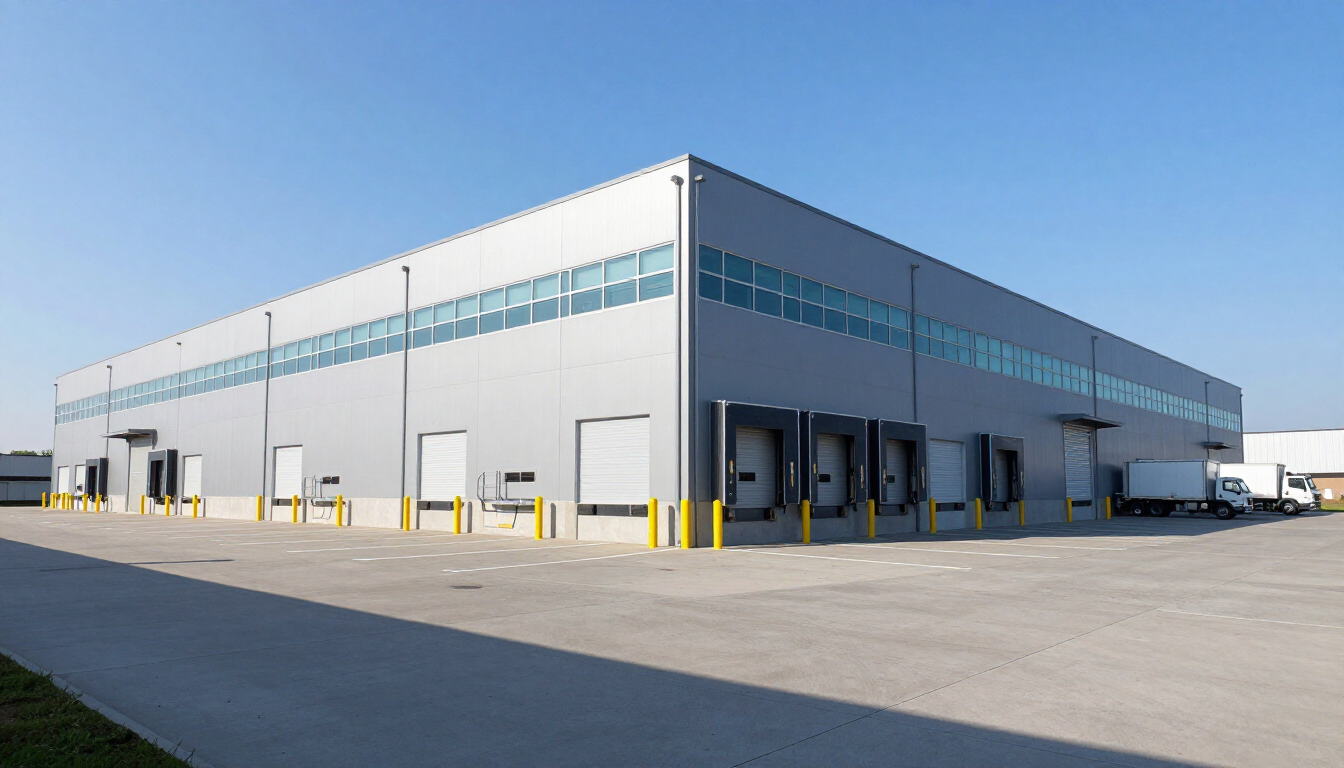
Industrial and warehouse spaces are currently some of the highest-demand types of commercial buildings. From a budget perspective, they are incredibly attractive because they require fewer interior finishes, simpler HVAC systems, and less complex plumbing than an office or medical facility.

Key reasons to consider warehouse construction include:

  • Lower Material Costs: Using steel and concrete tilt-up panels is often cheaper than glass curtain walls or intricate brickwork.
  • Faster Timelines: Rapid assembly means your building is ready for occupancy (and generating revenue) months sooner.
  • Versatility: A simple warehouse can be partitioned for multiple tenants or kept as a single large-scale logistics hub.
  • Reduced Maintenance: Industrial materials are designed for durability, meaning lower long-term repair costs for the owner.
  • Scalability: It is much easier to add bays to an existing industrial structure than to expand a multi-story office building.
Modern industrial warehouse architecture

How can retail spaces be built efficiently on a budget?

Retail construction often carries a reputation for being expensive due to the need for high-end aesthetics and

By ryan May 14, 2026
The single biggest reason commercial owners say their last build went sideways comes down to one thing: change orders. Specifically, the change orders a builder writes to cover what they should have priced at the start. Bad weather, labour shortages, picky inspectors all show up on a project. They almost never double the budget. Change-order creep does.